A smart-home security update is a security change, not routine housekeeping. A firmware, app, hub, integration, router, camera, lock, or automation change can alter alarms, notifications, recordings, access, privacy, and recovery. Use a small change window, capture the working state first, test the safety path after each step, and know how to roll back or operate manually.
What belongs in change control
| Change | Security functions at risk | Minimum evidence |
|---|---|---|
| Alarm hub or panel firmware | Sensors, siren, entry delay, communication, monitoring, app, and fault reporting | Version, release notes, approved test, event history, monitoring receipt, recovery path |
| Camera or doorbell firmware | Detection, recording, retention, privacy zones, audio, export, and timestamps | Before/after test clips, settings export or screenshots, storage and alert checks |
| Smart lock update | Keypad, codes, app, remote access, history, battery, and platform support | Fallback entry, named-user test, removed-code test, offline behavior |
| Router, Wi-Fi, VLAN, or firewall change | Every networked device, cloud service, remote alert, stream, and recovery path | Address and dependency map, connectivity tests, backup configuration, rollback steps |
| Automation or integration update | Arming, disarming, locks, lights, notifications, occupancy, and escalation | Rule export, trigger/action matrix, negative tests, disabled-state fallback |
| Household or account change | Owners, guests, codes, camera viewers, MFA, recovery, and support authority | User inventory, removal checks, token rotation, second-owner recovery |
Build the working-state record
Before changing anything, record the date, owner, reason, affected devices, current versions, battery levels, network path, integrations, users, alarm mode, camera settings, lock codes, monitoring contacts, and known faults. Save screenshots or exports of automations, zones, schedules, notification rules, privacy masks, recording plans, dashboards, and network reservations.
Do not put passwords, recovery codes, or private keys in a general maintenance document. Store secrets in the household’s approved password manager or secure recovery process and note only where the authorized owner can find them.
Choose a safe change window
Avoid updates while the home is unoccupied, sleeping, expecting a delivery or carer, under active monitoring response, or relying on one remote owner. Tell household members what may stop working and how to enter, exit, arm, disarm, and call for help during the window. Keep a second phone, keypad, key, flashlight, and support details available.
Backups are not all the same
Separate four backup jobs: configuration, credentials and ownership, recordings and evidence, and replacement hardware. A hub backup may restore automations but not camera clips. An NVR export may preserve video but not alarm users. A password manager may preserve logins but not device pairing or encryption keys.
- Configuration: hubs, automations, scenes, dashboards, device names, zones, schedules, network settings, and storage.
- Ownership: primary and backup owners, MFA, recovery contacts, vendor accounts, monitoring authority, and support PINs.
- Evidence: important clips, logs, timestamps, exports, and retention requirements.
- Hardware recovery: compatible spare batteries, storage, cables, radios, keys, and documented factory-reset/re-pairing steps.
Update one dependency layer at a time
Do not update the router, alarm hub, camera firmware, lock bridge, smart-home server, and phone apps in one unbroken batch. Change one layer, wait for devices to settle, run the acceptance tests, record the result, and then continue. This makes failures easier to isolate and keeps the previous working point clear.
- Confirm local manual controls and fallback entry.
- Back up and record the baseline.
- Review current vendor release notes and prerequisites.
- Update one device or dependency group.
- Wait for restart, time sync, battery, network, and fault states to stabilize.
- Run positive and negative tests.
- Continue, pause, or roll back based on evidence.
Alarm acceptance tests
Use the provider’s approved test mode where required. Test a priority door or window through local warning, entry delay, siren, panel or hub event, app notification, selected monitoring receipt, contact order, and restoration. Confirm bypasses, tamper, low-battery, offline, and communication faults still appear. Do not trigger emergency dispatch merely to prove an update.
Camera acceptance tests
Walk each key route in daylight and darkness. Check first-frame capture, person or vehicle detection where used, motion zones, false alerts, clip length, recording continuity, audio, privacy masks, timestamps, retention, export, and offline warning. Verify that a changed resolution or bitrate has not silently reduced storage days or network stability.
Smart-lock acceptance tests
Keep the door open for initial motor tests, then repeat it closed under normal weather-seal pressure. Test inside exit, physical key or documented fallback, keypad, owner app, second user, temporary code, removed code, battery warning, event history, remote access, and internet loss. Confirm the door contact reports closed separately from the lock reporting locked.
Automation test matrix
| Test | Expected result |
|---|---|
| Correct trigger in correct mode | The intended action occurs once and creates the expected record |
| Correct trigger in wrong mode | The action does not occur |
| Duplicate or rapid trigger | No repeated unlock, disarm, alert flood, or unsafe loop |
| Missing device or stale state | The rule fails safe and produces a useful fault |
| Internet or cloud unavailable | Local safety behavior remains and remote-only functions fail clearly |
| Removed household member | Old app, code, voice, camera, lock, and automation access all fail |
High-risk automations to isolate
Treat any rule that unlocks, opens, disarms, suppresses an alarm, changes camera recording, disables notifications, or grants access as high risk. Do not let weak presence, geofence, voice, Wi-Fi connection, motion, or a single cloud event make the final security decision. Require a stronger independent control or keep the action manual.
Rollback decision points
Stop and roll back, disable the changed integration, or move to manual operation when a priority sensor fails, the siren or monitoring path is uncertain, a lock loses fallback entry, cameras stop recording required evidence, time stamps are wrong, users gain excess access, privacy settings reset, or the system cannot recover predictably.
Rollback may mean restoring a supported configuration backup, reversing a network change, disabling an automation, returning to the vendor’s supported release, replacing failed storage, or operating the alarm and locks manually. Follow manufacturer and provider instructions; forcing unsupported firmware can make recovery worse.
When rollback is not possible
Some devices cannot downgrade. In that case, isolate the affected device, restore safe local behavior, document the missing function, notify the household, open a provider support case, and use a temporary control. Examples include manual lock use, local alarm arming, a second camera, scheduled physical checks, or a backup communication plan.
Account and access changes after updates
Updates and migrations can recreate shares, change roles, or require new tokens. Audit owners, household members, guests, monitoring contacts, alarm users, lock codes, camera shares, voice assistants, third-party integrations, API keys, trusted phones, recovery contacts, and downloaded apps. The account-compromise response guide covers containment and recovery if a change exposes credentials.
Test the outage path
After the normal acceptance test, disconnect internet and then test a controlled AC-power loss. Measure what remains: local alarms, sirens, keypad, locks, camera recording, automations, cellular communication, monitoring, UPS runtime, notifications, timestamps, and restoration. The security-without-Wi-Fi guide separates these dependencies.
Where Abode fits
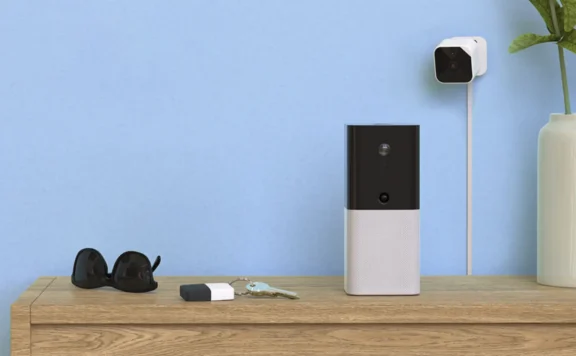
If the household uses Abode, record the hub, sensors, cameras, locks, CUE automations, app users, monitoring plan, network, batteries, and fallback controls before a change. Keep the native sensor, siren, and response path independent from optional smart-home routines. Compare the Smart Security Kit and current Abode plans when designing the supported baseline.
Post-change record
Record the new versions, completed tests, failures, workarounds, user changes, storage impact, battery impact, support cases, rollback point, responsible owner, and next review date. Keep the record short enough to use during an outage. Attach detailed exports separately.
Quarterly security maintenance
- Review pending security and stability updates from official vendor sources.
- Confirm backups complete and one sample restore path is understood.
- Audit users, codes, keys, shares, integrations, tokens, and recovery contacts.
- Test a priority sensor, siren, lock fallback, camera export, and outage path.
- Remove obsolete devices, automations, apps, and vendor accounts.
- Record results and schedule the next test.
Sources and related guides
- Home Assistant common tasks and backups
- Apple Home app
- Google Home
- HomeKit member removal
- Smart-lock access-code audit
Final checklist
- Named owner and safe change window
- Working-state record and supported backup
- Manual entry, alarm, and communication fallback
- One dependency layer changed at a time
- Alarm, camera, lock, user, automation, outage, and recovery tests passed
- Rollback or isolation path documented
- Household notified and post-change record stored
FAQ
Should security devices update automatically?
Automatic security updates can reduce exposure, but critical devices still need a recorded baseline, safe timing, acceptance tests, and a recovery plan. Use each vendor’s supported settings.
Can I roll back smart-home firmware?
Only when the manufacturer supports it. Do not force unsupported downgrades; isolate the fault and use safe manual controls while following provider recovery steps.
What should I test after a router change?
Test every alarm hub, camera, lock bridge, smart-home server, remote alert, monitoring path, time source, local control, and recovery process.
How often should I test backups?
Review them at least quarterly and after major changes. A backup is useful only if the authorized owner knows what it contains and how to restore it.
Turn Every Smart-Home Security Update Into a Reversible Change
A firmware or app update is not finished when the progress bar reaches 100%. It is finished when the home can still detect an opening, sound locally, route an alert, preserve access, and recover after a failure. Treat each change as a small maintenance window with one owner, a written baseline, a stop rule, and a tested way back.
Use this operating plan for alarm hubs, cameras, locks, bridges, routers, voice assistants, HomeKit home hubs, and the phones that administer them. For account recovery, pair it with the passkey and security-key readiness audit. For routine collisions, use the automation conflict audit.
1. Freeze the Baseline Before Touching Update
| Record | Minimum evidence | Why it matters |
|---|---|---|
| Device identity | Model, serial or device ID, location, power source, current firmware | Prevents restoring or replacing the wrong unit. |
| Account path | Primary owner, backup administrator, recovery email or phone, MFA method | Keeps recovery from depending on one handset. |
| Security behavior | Home, Away, and disarmed behavior; entry delay; siren; monitoring state | Defines the behavior the update must preserve. |
| Automations | Trigger, conditions, action, schedule, owner, and downstream devices | Shows which routines can fail silently after a rename or reset. |
| Network state | SSID, band, IP reservation if used, bridge or hub, remote-access path | Separates a device fault from a network migration fault. |
| Proof | Timestamped screenshots plus one successful opening, alert, lock, and clip test | Creates a known-good comparison instead of relying on memory. |
Export configurations when the vendor offers an export. When it does not, take screenshots of every security-relevant setting. Do not store setup codes, recovery codes, and screenshots in an openly shared household folder. Review active phones and browser sessions with the trusted-device and session audit.
2. Set a Maintenance Window and Stop Rule
- Pick a time when an adult can remain on site and no guest, cleaner, contractor, or delivery access depends on the system.
- Update one control layer at a time. Do not update the router, alarm hub, lock bridge, camera, and household phones in one batch.
- Keep one tested local control path available: keypad, physical key, key fob, local siren, or an already signed-in backup phone.
- Pause if a life-safety alarm reports a fault, a lock loses local egress, monitoring cannot see the panel, or the backup administrator loses access.
- Do not press factory reset as a first response. A reset may erase enrollment, automations, recordings, and integration state without restoring the prior firmware.
If the update changes a bridge or radio path, use the bridge replacement checklist. If the network name or credentials will change, run the network-name change plan instead of improvising mid-update.
3. Prove the Security Chain in Order
- Local state: confirm the hub, keypad, lock, and bridge show the expected mode and time.
- Detection: open one protected door and window, walk one motion zone, and use the vendor test method for smoke or carbon-monoxide devices.
- Local action: confirm the siren, chime, lock, light, or other intended local action occurs.
- Remote alert: verify the primary and backup phones receive the right alert while locked and while the app is not open.
- Evidence: create a camera event, open it from the timeline, and export it if the product supports export.
- Response: confirm the person named in the plan can identify the zone, call the property, and follow the escalation rule.
- Monitoring: when applicable, place the account in test mode and verify the center receives the right signal before ending test mode.
A green device tile is not enough. Each link has to work. If cellular backup is part of the plan, run the cellular backup signal test after the normal internet path passes.
4. Run the 60-Minute Update and Rollback Acceptance Test
| Minutes | Test | Pass condition |
|---|---|---|
| 0–10 | Compare models, firmware, modes, users, and routines with the saved baseline. | No unexplained deletion, duplicate, rename, or permission change. |
| 10–20 | Arm and disarm from the keypad, primary phone, and backup administrator phone. | All authorized paths work; former or test users do not. |
| 20–30 | Trigger one opening, motion zone, camera event, and local siren test. | Correct zone names, timestamps, alerts, and evidence appear. |
| 30–40 | Run the highest-risk automation, then disable its trigger and prove the safe default. | No unlock, disarm, or privacy-sensitive camera action occurs unexpectedly. |
| 40–50 | Interrupt internet, then restore it. If safe, test a brief device power restart. | Local protection stays defined and remote state recovers without duplicate alerts. |
| 50–60 | Exercise the written rollback or containment step. | The owner can restore settings, isolate the changed device, or return to the known-good control path. |
Rollback Decision Table
| Finding | Action | Do not do |
|---|---|---|
| Cosmetic label or layout changed, security chain passes | Document the change and close the window. | Reset working equipment to recover an old screen layout. |
| One automation fails but alarm, access, and alerts pass | Disable that routine, use the safe manual control, and rebuild from the baseline. | Leave a partial unlock or disarm routine active. |
| Remote alerts fail but local detection and siren pass | Keep the property occupied or add a temporary response path while repairing notifications. | Describe the system as fully operational. |
| Detection, egress, local siren, or monitoring fails | Stop, contain, use the local fallback, and contact support or the installer. | Continue updating other devices. |
| Safety notice or recall applies | Follow the manufacturer or regulator instruction and the product recall response checklist. | Rely on an unofficial downgrade or hidden menu. |
Closeout Record
Write the date, owner, device, prior version, new version, reason for the change, tests run, failures found, containment used, support case, and final state. Record the next review date. A maintenance record should let another adult answer three questions without guessing: what changed, what still protects the home, and how to recover.
Do Not Close the Window Until These Blockers Are Cleared
- No working local arm/disarm or physical-key path.
- Backup administrator cannot sign in or receive alerts.
- Door, window, motion, smoke, or carbon-monoxide test produces the wrong zone or no local signal.
- Camera evidence cannot be found or exported when evidence is part of the plan.
- A routine can unlock, disarm, or expose an indoor camera at the wrong time.
- Internet or power recovery leaves the app stale, the device offline, or monitoring disconnected.
- No written containment step exists for a device that cannot be downgraded.
The best update policy is boring: one change, one owner, one evidence set, and one tested fallback. That discipline matters more than the version number.