Short answer: ADT is a fit for households that want professional design, installation, monitored response, and one provider responsible for the system. It is a weaker fit for renters, frequent movers, self-installers, and buyers who want a permanent free self-monitoring state. Do not choose ADT from a promotional monthly number. Compare the written equipment list, installation scope, service agreement, cancellation terms, permanent post-cancellation state, and five-year cost.
This review was checked against current ADT and related manufacturer pages on August 7, 2026. ADT sells through address-specific quotes and changing offers. The proposal and signed documents control.
ADT verdict at a glance
| Decision | ADT fit | What to verify |
|---|---|---|
| Installation | Professional survey and installation are valuable for larger or difficult homes | Exact labour, cable, repair, appointment, and extra-device charges |
| Monitoring | Professional alarm response is the core value | Included event types, cellular path, verification, contacts, permits, and dispatch |
| Commitment | Can be acceptable for a stable owner who understands the agreement | Initial term, renewal, rate changes, cancellation, moving, and equipment balance |
| Cameras | Current Google Nest and ADT paths can add useful video | Exact camera, plan, history, viewer roles, export, and post-cancellation state |
| Smart home | Google Home integration can be useful | Exact alarm, lock, thermostat, light, and camera functions—not just logo compatibility |
| DIY alternative | Often better for renters, movers, and hands-on owners | Placement, testing, networking, batteries, and response become the buyer’s job |
Start with one coverage map
Mark every exterior door, reachable window, garage, detached structure, hallway, stair, camera approach, smoke and carbon-monoxide location, water-risk point, keypad, router, and backup-power location. Use the same map for every provider. A cheaper quote that leaves openings or hazards uncovered is not a comparable quote.
Give each item a required job: report opening state, start entry delay, sound locally, save video, notify a person, reach monitoring, shut off water, or provide a manual fallback. This stops a sales package from replacing the household’s actual requirements.
Get the whole ADT proposal in writing
ADT’s current home-security path is quote-led. Before signing, obtain a dated document that lists:
- panel, keypad, sensor, siren, camera, lock, smoke/CO, water, thermostat, and network model numbers;
- equipment price, ownership, financing, taxes, shipping, credits, and remaining balance;
- installation work, extra labour, wall or cable repair, appointment terms, and completion criteria;
- monthly service, included event types, cellular and video functions, increases, and payment method;
- initial term, renewal, notice window, acceptable cancellation method, early-termination calculation, and moving rules;
- what local alarm, app, camera, lock, automation, and smart-home functions remain after service ends.
If a verbal promise matters, put it in the agreement or a provider-issued addendum. Save the advertisement, quote, order, installation record, monitoring agreement, and any cancellation notice together.
Professional installation: the real advantage
A trained installer can survey construction, place sensors, test radio paths, configure the panel, and teach the household how to arm and respond. Ask for a final zone list, equipment list, account-owner record, test procedure, monitoring certificate, battery schedule, and support route.
Walk the home before accepting completion. Test slow and fast openings, entry and exit delay, motion paths, pets, camera framing, microphone state, siren audibility, smoke/CO placement, water sensors, network reach, and manual lock operation. Photograph model labels and record faults before the rescission or cancellation window closes.
Monitoring and dispatch
Map the signal path from sensor to panel, panel to cellular or internet communication, event to monitoring centre, verification to contacts, and dispatch to the correct jurisdiction. Confirm the service address, contact order, passcodes, permit, false-alarm rules, test mode, and response instructions.
Ask which events are monitored. A camera alert, water event, smart-lock notification, and burglar-alarm signal may follow different paths. A Google Home tile or phone alert is not proof of central-station response.
Cameras and Google Home
ADT’s current Google security path can combine professional security with supported Google Nest products. Confirm the exact camera model, power, field of view, recording trigger, history, plan, microphone, activity zones, viewer roles, export method, and first useful frame.
Test one saved event from a backup account. Verify timestamp, playback, export, and permissions. Do not assume every Google Home device becomes a monitored alarm zone or that every ADT alarm function appears in Google Home. Test each required action.
Contract and cancellation controls
Read the actual agreement. Highlight the initial term, renewal method, price-change language, notice window, cancellation address or channel, early-termination formula, equipment balance, move programme, death or disability provisions where applicable, and state-specific rights.
Use traceable delivery for notices and keep confirmation. Do not stop payment as a substitute for proper cancellation. Ask ADT for the account status and balance in writing after the requested end date.
Equipment ownership and permanent state
Write down who owns each device and what happens if service ends. Separate physical ownership from software access. A panel or camera can remain on the wall while remote control, cellular communication, history, monitoring, or integration changes.
Ask whether devices can be reused by another provider, require dealer release, depend on an account transfer, or need replacement. Do not assume a radio logo or platform family guarantees another company will enrol or monitor the hardware.
Outage and restoration tests
| Failure | Test | Pass evidence |
|---|---|---|
| Internet loss | Disconnect WAN without cutting panel power | Local alarm and quoted cellular/monitoring path continue |
| Mains loss | Use the provider-approved power test | Panel, siren, communications, and recovery match the quote |
| Phone unavailable | Take the primary phone offline | Keypad, local warning, monitoring, and backup contacts still work |
| Sensor fault | Open, tamper, or bypass one test device safely | Correct zone and trouble state appear |
| Camera path | Trigger, retrieve, export, and play one clip | Usable evidence exists in the promised account and plan state |
| Restoration | Restore power and internet separately | Time, zones, mode, users, cameras, and monitoring return correctly |
Five-year cost worksheet
- equipment, added devices, financing, installation, labour, shipping, and taxes;
- monitoring, cellular, camera history, verification, and expected rate changes over the signed term;
- batteries, repairs, replacement storage, router, access points, and backup power;
- permits, false-alarm fees, move charges, cancellation exposure, and unpaid equipment balance;
- time for tests, user changes, support visits, clip exports, and annual reviews;
- written discounts and insurance credits only after the insurer confirms eligibility.
Do not use an assumed insurance discount to make the system affordable. Ask the insurer for the exact certificate and credit before including it.
ADT versus flexible DIY systems
ADT’s value is service: design, installation, monitoring, and support. A DIY system can reduce commitment and installation dependency, but the buyer owns placement, networking, batteries, testing, and troubleshooting.
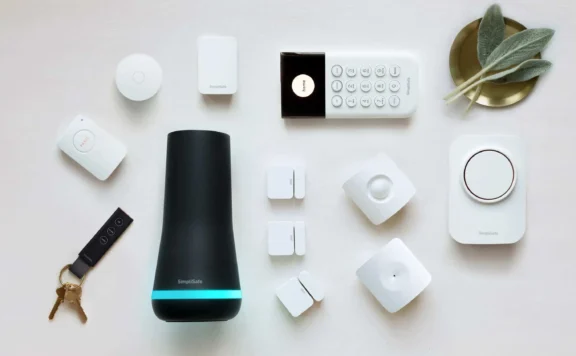
Compare the current Abode Smart Security Kit and Abode plans when free self-monitoring, optional paid service, and broad smart-home support matter. Use the same opening map and five-year worksheet. For a monitored DIY alternative, compare SimpliSafe’s current packages and plan state separately.
Who should choose ADT?
- A stable homeowner wants professional installation and monitored response.
- The home has enough openings, hazards, cameras, or difficult construction to justify a survey.
- The buyer accepts the written term and has priced the full commitment.
- Someone will maintain contacts, permits, passcodes, tests, and service records.
Who should choose another path?
- A renter or frequent mover needs portable equipment and short commitments.
- The buyer wants self-installation and a permanent unpaid state.
- The household will not read or retain a service agreement.
- The required coverage can be installed and maintained safely without a professional survey.
60-minute ADT acceptance test
- 0–10 minutes: paperwork. Reconcile proposal, installed equipment, invoice, financing, monitoring agreement, and promotion.
- 10–20 minutes: openings. Test each protected door and window in approved mode; verify names, delays, local warning, and signals.
- 20–30 minutes: hazards and response. Test permitted device types, contact order, passcode, permit, and dispatch jurisdiction.
- 30–40 minutes: cameras and users. Retrieve and export a clip, add a limited test user, then remove that user.
- 40–50 minutes: outage. Test internet loss, safe power loss, phone loss, cellular path, and restoration separately.
- 50–60 minutes: handoff. Confirm manual fallbacks, equipment ownership, post-cancellation state, support cases, faults, and next test date.
Bottom line
ADT can be worth the commitment when professional installation and monitored response close a real household gap. Its brand does not excuse vague equipment, unknown cancellation exposure, or untested service. Buy the written coverage map and response path—not the headline discount.
Frequently asked questions
Does every ADT customer have the same contract and price?
No. Quotes, equipment, installation, offers, service, and agreement terms can vary. The dated proposal and signed documents control.
Can ADT equipment be used after cancellation?
Some local functions or devices may remain, while app, cellular, camera, monitoring, or integration features can change. Obtain the exact permanent state in writing.
Is ADT better than a DIY alarm?
ADT is stronger when the buyer needs professional survey, installation, and monitoring. DIY is often stronger for portability, self-installation, and service flexibility.
Do Nest cameras replace alarm sensors?
No. Cameras add context and evidence; direct opening sensors are better for reporting that a protected door or window changed state.
What should be tested before the cancellation window closes?
Test every opening, mode, siren, approved monitoring signal, camera export, user role, internet outage, power loss, manual fallback, and account recovery.