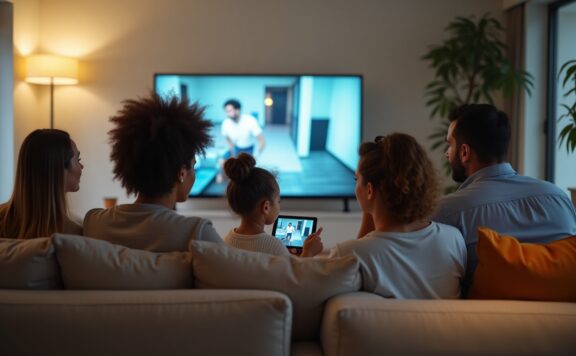
Updated August 5, 2026. A no-subscription camera can help a pet owner check an exterior door, confirm a dog-walker visit, review a package event, or see whether a pet is safe in a shared room. It is not a complete alarm system by itself. The strongest setup separates video, entry detection, access, and response, then tests what remains available when the internet or power fails.
Bottom line
Choose the recording and response plan before choosing a camera. “No subscription” can mean live view only, recording to a microSD card, recording to a base station, or recording to a local NVR. Detection types, clip length, history, downloads, and remote access may still differ by model or app tier.
For most pet households, use cameras for context, door sensors for dependable open/close events, and a named code for each sitter or walker. Keep cameras out of private rooms. Give one person ownership of alerts and another person a backup role.
Pet-owner camera plan at a glance
| Job | Camera role | Other control | Pass condition |
|---|---|---|---|
| Dog-walker arrival | View the exterior approach or entry threshold | Named temporary lock code and door contact | Arrival, door open, door close, and departure are distinguishable |
| Pet home alone | Check a shared pet area without filming private space | Temperature, smoke/CO, leak, and entry protection as needed | Owner can tell a pet event from a security or safety event |
| Package delivery | Record the package zone and removal path | Delivery alert and household response rule | Face, package, direction, and time are usable |
| Back or side gate | Show who entered and whether a pet escaped | Gate contact, latch check, and outdoor light | Gate event is detected even when the camera misses motion |
| Evidence after an event | Preserve the useful clip | Known storage location and export process | Another household member can find and export it |
1. Define “no subscription” in writing
Do not stop at a no-fee badge. For the exact camera, app version, region, and account, record what works without payment:
- live view and two-way audio;
- motion, person, animal, package, vehicle, or sound detection;
- push notifications and event thumbnails;
- local recording location and maximum supported storage;
- clip history, playback speed, search, and download;
- remote viewing when away from home;
- shared-user access and event deletion rights;
- firmware and security-update policy;
- what changes if an optional trial ends.
Read the broader no-subscription security camera guide before comparing pet-specific placement. If the goal includes sirens, entry sensors, or monitoring, use the no-subscription security systems for pet owners guide as the system plan.
2. Map people, pets, and security events
List the events that matter: a sitter arriving, a dog walker opening a side gate, a child returning home, a pet entering an off-limits area, a package landing, or an unknown person approaching. Then assign one primary signal to each event.
A camera-motion alert alone is weak evidence of a door opening. Sunlight, insects, moving branches, headlights, and pets can create motion. A door contact produces a cleaner entry event; the camera explains who or what caused it. The pet-owner home security guide shows how cameras, sensors, locks, and alerts fit together.
3. Place cameras for security without over-recording
Start with exterior approaches, gates, garages, porches, package areas, and shared pet spaces. Avoid bathrooms, bedrooms, changing areas, and spaces where a sitter or guest reasonably expects privacy. Tell regular visitors and workers where cameras are operating, especially when audio is enabled.
Frame the action rather than the whole property. A door camera should show the threshold, visitor, and direction of travel without spending most of its pixels on sky, a blank wall, or a neighbor’s window. At night, test glare from walls, eaves, reflective collars, glass, and outdoor lights.
The FTC’s current home security camera guidance recommends checking camera security, account settings, updates, and remote access. Treat the microphone as a separate privacy decision rather than leaving audio enabled by default.
4. Tune motion for the actual pet
There is no universal “pet-safe” motion setting. Size, coat, speed, jumping, furniture access, room layout, shadows, and camera angle all matter. Build a test set with the pet walking, running, sleeping, jumping onto furniture, moving near curtains, and crossing the edge of the image.
| Test | What to record | Failure to fix |
|---|---|---|
| Daylight walk-through | Detection type, delay, clip start, subject visibility | Camera starts after the pet or person has passed |
| Night walk-through | Exposure, blur, glare, identification range | Bright collar, wall, or light washes out the subject |
| Pet-only hour | Number and type of nuisance alerts | Alert volume is high enough that the owner starts ignoring it |
| Person plus pet | Whether the person is classified and recorded | Pet activity masks the important event |
| Edge-of-zone entry | First usable frame and direction | Activity zone excludes the approach path |
Change one setting at a time and keep a short log. If the camera cannot separate useful events from ordinary pet movement, move it to an exterior or threshold role and use a sensor for the security event.
5. Give sitters and walkers named access
Do not share the owner’s camera password or a permanent household lock code. Create a separate account or role with the minimum camera access needed, and a named, scheduled lock code where supported. Record who can view live video, hear audio, speak through the camera, download clips, change settings, invite users, or delete history.
The smart locks for pet sitters guide covers temporary codes, schedules, backup entry, and handover. The pet-owner smart-lock guide adds access removal, battery, outage, and lockout checks.
When the service ends, remove the user, code, shared link, and saved device. Review the activity history, then confirm the old access no longer works.
6. Prove recording, retention, and export
Local storage is useful only if the household can retrieve it after an event. Identify whether recording lives in the camera, a base station, a hub, or an NVR. Record storage size, overwrite behavior, encryption, physical access, removal risk, and whether the camera keeps recording when the internet is down.
Generate a known event, wait for it to appear, find it by time, play it, download it, and open the exported file on a second device. Check whether the export preserves time, date, audio choice, and enough quality to explain the event. Store important evidence somewhere other than the device that may be stolen or damaged.
7. Test network, power, and offline behavior
List every dependency: camera power, Wi-Fi access point, router, internet service, base station, local storage, phone, push-notification service, and account login. A battery camera can remain powered while the router and base station are offline. A local recorder may keep video but stop remote alerts.
- Disconnect the internet but leave local Wi-Fi running. Check recording, local viewing, alerts, and later sync.
- Restart the router and access point. Measure how long the camera takes to reconnect.
- Remove household power under safe conditions. Check camera, network, hub, and storage runtime.
- Fill or remove the local storage under a controlled test. Confirm the warning and recording behavior.
- Sign out the primary phone. Confirm the recovery method and backup owner work.
If a camera must cover a gate, garage, or outdoor pet route, test signal at the exact mounting point with doors closed and normal household network traffic running.
8. Lock down the account
Use a unique password, enable multi-factor authentication where available, update the app and firmware, remove old users and devices, and protect the email account used for recovery. Keep the primary owner account under household control rather than an installer, former resident, sitter, or shared email address.
Once each quarter, review owners, viewers, codes, cameras, audio settings, activity zones, notification rules, firmware, storage health, and recovery contacts. Repeat the review after a move, breakup, roommate change, phone loss, or sitter change.
9. Compare three-year cost, not the first month
Three-year cost = cameras + mounts + local storage/base/NVR + sensors + lock/access work + network upgrades + backup power + replacement batteries + optional services + expected replacements.
Price the no-fee setup and the optional paid setup separately. If a paid tier improves detection or off-site evidence enough to matter, include it honestly rather than forcing a no-subscription label onto a weaker design.
10. Where Abode fits
Abode can provide the sensor-led layer that a camera-only plan lacks. Start with the Abode Smart Security Kit, use Mini Door/Window Sensors on doors or gates used by sitters and walkers, and assess Abode Cam 2 for the camera locations. Check the current Abode plans for the exact monitoring, video, storage, and app features before deciding which tier fits.
Do not assume the system, camera, or plan includes a feature because another Abode device or older plan did. Match the current product and plan pages to the written household requirements.
60-minute pet-camera acceptance test
- 0–10 minutes: confirm camera models, owners, viewers, audio choice, storage location, and no-fee feature list.
- 10–20 minutes: walk each person and pet route in daylight; verify useful detection, clip start, and framing.
- 20–30 minutes: repeat the highest-risk route at night and check glare, blur, and identification range.
- 30–40 minutes: test sitter code, door contact, camera event, notification owner, and code removal.
- 40–50 minutes: disconnect internet and restart the network; verify recording, alerts, reconnection, and sync.
- 50–60 minutes: find and export a known clip, open it elsewhere, then save the account, storage, battery, and quarterly review dates.
Frequently asked questions
Can a no-subscription camera record video?
Some can record to a card, base station, hub, or NVR, but the exact recording, detection, history, download, and remote-access features vary. Verify the current model and app without an active trial.
Should I point an indoor camera at my pet all day?
Only if the placement has a clear safety or care purpose and does not invade private space. Many households get more security value from exterior approaches, gates, doors, and shared pet areas.
Do pet-detection settings stop false alerts?
Not always. Test the actual pet, room, lighting, camera angle, and movement. Use a door or gate sensor for the entry event if camera motion remains noisy.
How should a dog walker get access?
Use a named, scheduled code and the minimum camera permissions needed. Remove both when the arrangement ends. Keep the owner’s password private.
What happens when the internet fails?
Behavior varies. Local recording may continue while remote alerts and viewing stop, or the whole camera may go offline. Test the exact camera, network, and storage path.