Enhancing Smart Home Privacy: Navigating the IoT Landscape
Introduction
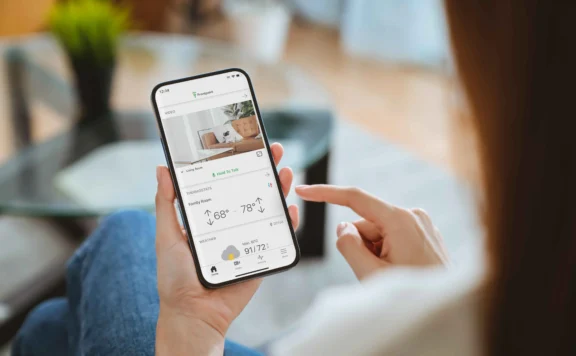
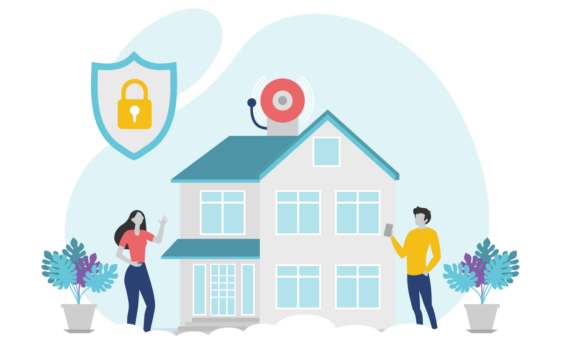
In an era where digital convenience and connected devices are rapidly permeating everyday life, the topic of smart home privacy rises to critical importance. Imagine unlocking your front door remotely, adjusting your thermostat on-the-go, or having your coffee brewing the moment you wake up—all without lifting a finger. This convenience, however, is not without its risks. As the Internet of Things (IoT) proliferates in our households, smart home security becomes not just a feature, but a necessity. Today, the dialogue centers around finding a balance between seamless automation and robust security defenses against potential IoT vulnerabilities.
Background
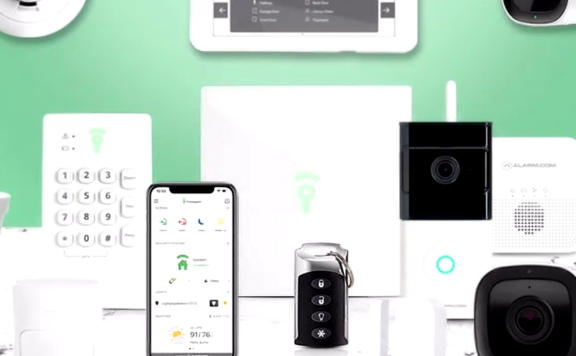
The evolution of smart home technologies has been nothing short of revolutionary. What began as digital assistants providing weather updates and playing music has expanded into a sophisticated ecosystem of interconnected devices. Each device—be it a smart fridge, lighting system, or security camera—functions through IoT, sharing data to enhance user experiences. Nevertheless, this connectivity opens new frontiers for privacy concerns. A report by Gartner estimates that by 2025, there will be over 75 billion IoT devices connected worldwide, each potentially vulnerable to breaches.
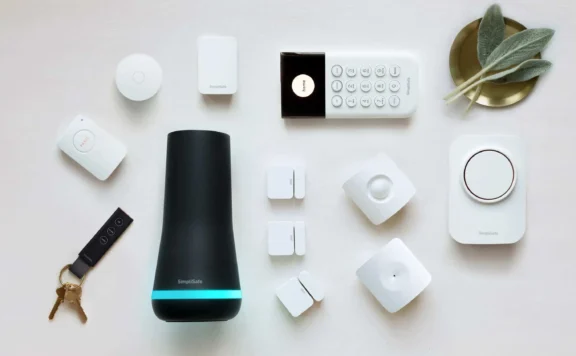
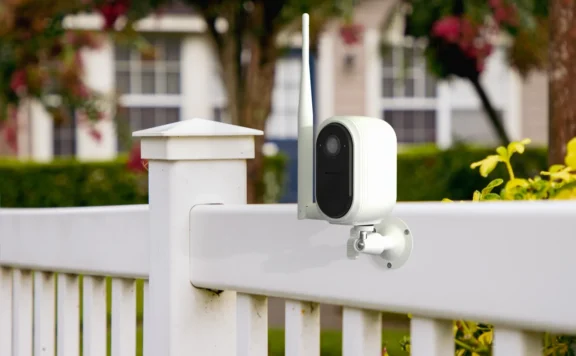
Common vulnerabilities in smart homes include weak password protection, unpatched software, and a lack of encryption. For example, in 2019, hackers gained access to a family’s smart security camera, using it to broadcast audio and disturb privacy. Such incidents underline the systemic issues that need addressing, as exemplified by the aforementioned breach [^1].
Moreover, the myriad interfaces and platforms further complicate the security landscape. Each device is a potential entry point for unauthorized access, making data security both a complex and critical challenge.
Current Trends in Smart Home Security
Recognizing the risks, manufacturers and consumers alike are pivoting toward heightened smart home security measures. Awareness about IoT vulnerabilities has increased, pushing the industry to innovate solutions that safeguard privacy without sacrificing functionality. For instance, two-factor authentication, biometric access, and end-to-end encryption are becoming standard features in new smart devices.
Simultaneously, regulatory bodies are stepping in, crafting directives aimed at fortifying digital infrastructures. The European Union’s General Data Protection Regulation (GDPR) serves as a global benchmark, emphasizing the need for personal data protection. Consequently, there’s been a drive towards enhancing data encryption and implementing more transparent privacy policies to reassure consumers.
Insights on Smart Home Privacy
Acute awareness of smart home privacy was underscored by a recent study detailing how data breaches not only compromise individual privacy but can incur financial and reputational damages. The 2023 study by OpenAI suggests that improving smart home security could reduce potential breaches by up to 30% in monitored households [^2].
High-profile breaches such as the Ring camera hacks show the repercussions of security lapses. These incidents have sparked discussions among cybersecurity experts, who equate ignoring smart home privacy with leaving your front door wide open. This analogy is crucial for understanding the risks and responsibilities consumers must take on with these technologies.
Future Forecasts
Looking ahead, the landscape of smart home privacy is poised for a transformative shift. Emerging technologies such as AI-driven security protocols promise more adaptive and seamless defenses against cyber threats. Additionally, the increasing integration of blockchain technology could provide immutable records of all data interactions, providing an additional layer of security.
Legislation is anticipated to tighten, potentially leading to an overhaul in IoT device manufacturing standards. The convergence of stricter regulations and innovative technology is seen as pivotal in addressing IoT vulnerabilities without impeding user experience.
Call to Action
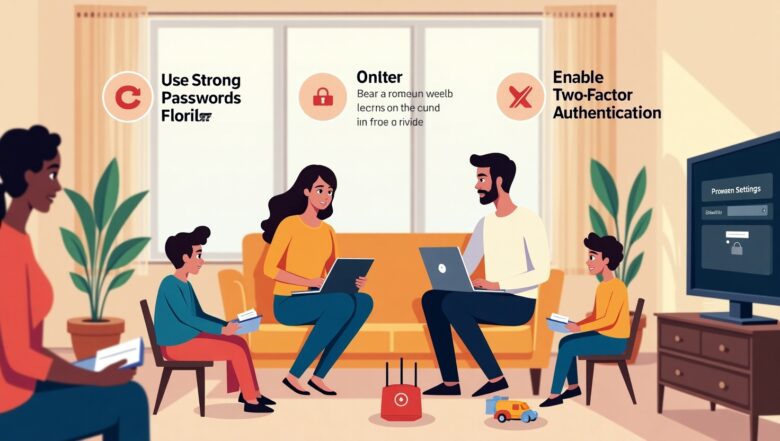
As we navigate this digital frontier, it’s imperative for users to proactively engage in securing their smart home setups. Change default passwords, stay informed about software updates, and consult resources that specialize in smart home security. For further information, resources like this article provide valuable insights and practical steps to protect and enhance your digital home.
[^1]: Recent breaches, such as the Ring security cameras, have highlighted critical vulnerabilities inherent in many IoT devices.
[^2]: OpenAI’s study indicates the potential for dramatically reducing breaches with well-implemented security protocols.