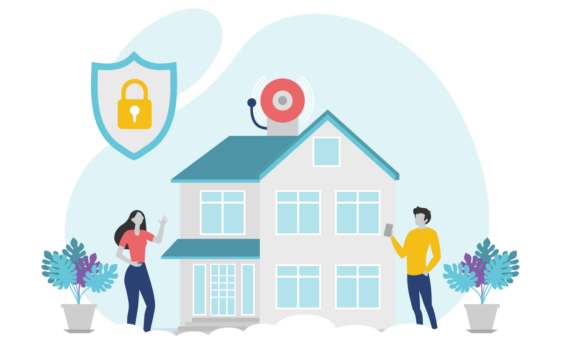
Understanding Home Security Risks
Introduction
In an era where connectivity is at an all-time high, the focus on home security risks has never been more critical. As homes become smarter, thanks to the surge of smart technology, it is vital to assess the vulnerabilities that come with increased connectivity. The integration of smart technology can offer unparalleled convenience and control, but it also opens the door to unforeseen security challenges. Recognizing these risks and understanding their implications provides a crucial step toward safeguarding our sanctuaries.
Background
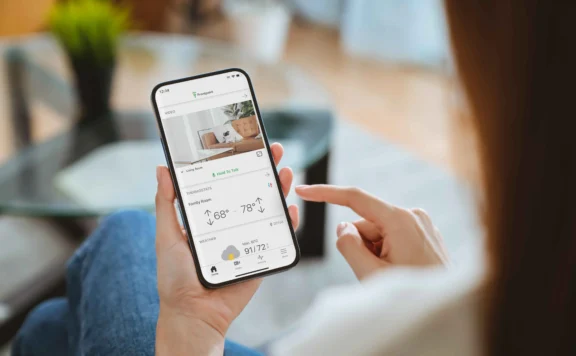
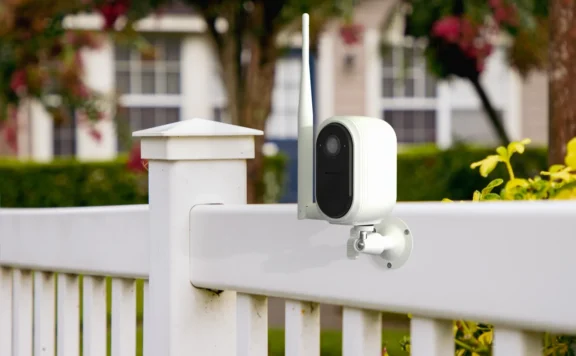
Historically, home security revolved around physical barriers such as locks, gates, and vigilance. The introduction of alarm systems marked a significant shift, enabling remote monitoring and reaction. Fast forward to the present day, and modern solutions have expanded to include complex systems integrated with cameras, sensors, and mobile apps that leverage the Internet of Things (IoT). The primary role of home security remains unchanged—to keep families safe from intrusion and harm—yet the means through which this is achieved have evolved dramatically. As technology has advanced, it has equally broadened potential vulnerabilities, mandating a new approach to risk management.
Current Trends in Home Security
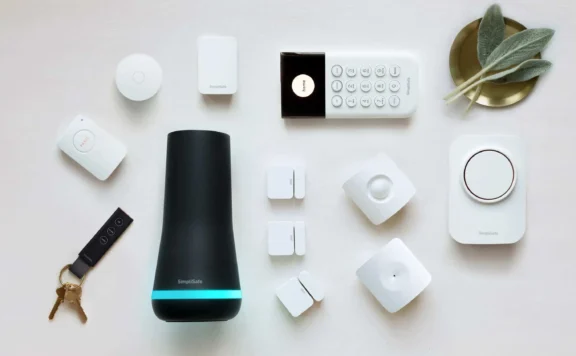
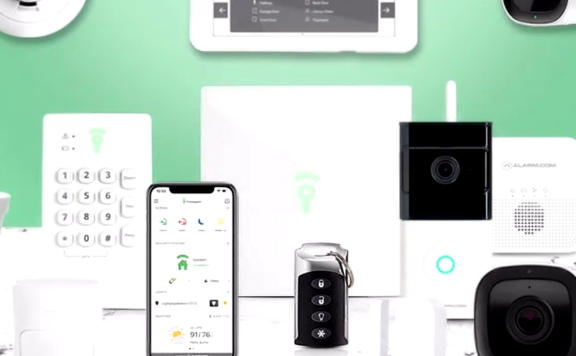
The rise of smart technology in home security solutions, such as video doorbells, smart locks, and IoT-enabled alarm systems, reflects a broader trend of digital integration. Today’s homeowners are increasingly embracing these convenient, sophisticated solutions. However, increased connectivity brings an associated spike in potential cyber vulnerabilities. Just as a chain is only as strong as its weakest link, a home’s security can be compromised if any component is unsecured or out-of-date. While homeowners adapt to these new technologies, it is crucial to remain cognizant of the risks they carry, ensuring robust protective measures are in place.
Key Insights on Home Security Risks
The incorporation of smart technologies introduces several key security risks. Chief among these are data breaches, where hackers can exploit systems to access personal information or control devices remotely. According to recent statistics, there have been countless incidents where vulnerabilities in smart devices have been exploited, leading to breaches that compromise user privacy and security. The psychological impact of such intrusions cannot be underestimated, often shaking individuals’ sense of safety within their own homes. Financially, the consequences can be significant, involving both direct losses and increased insurance premiums.
Future Forecast on Home Security Risks
Looking ahead, the future of home security will likely involve even deeper integration with artificial intelligence (AI), enhancing automated response mechanisms and predictive analytics for threat detection. As AI technologies evolve, they offer promising improvements in risk mitigation strategies, potentially transforming how threats are managed and neutralized before escalation. Advanced algorithms might soon be capable of identifying security risks in real-time, providing alerts and potential solutions instantly. This advancement could significantly reduce the chance of breaches and mitigate potential impacts on a profound level.
Call to Action
In light of these insights, homeowners are encouraged to assess their current security measures critically. While the allure of smart technologies is undeniable, proper implementation and maintenance are crucial for security. Here are some tips:
– Regularly update device firmware to patch vulnerabilities.
– Utilize strong, unique passwords for all devices.
– Consider multi-factor authentication where possible.
– Stay informed about potential threats and emerging security technologies.
For more detailed information on how to effectively integrate smart technologies into your home security plan, explore resources such as articles on Advancements in AI Technologies.
In taking these steps, you can enjoy the benefits of modern technology while minimizing home security risks, ultimately protecting what matters most.